
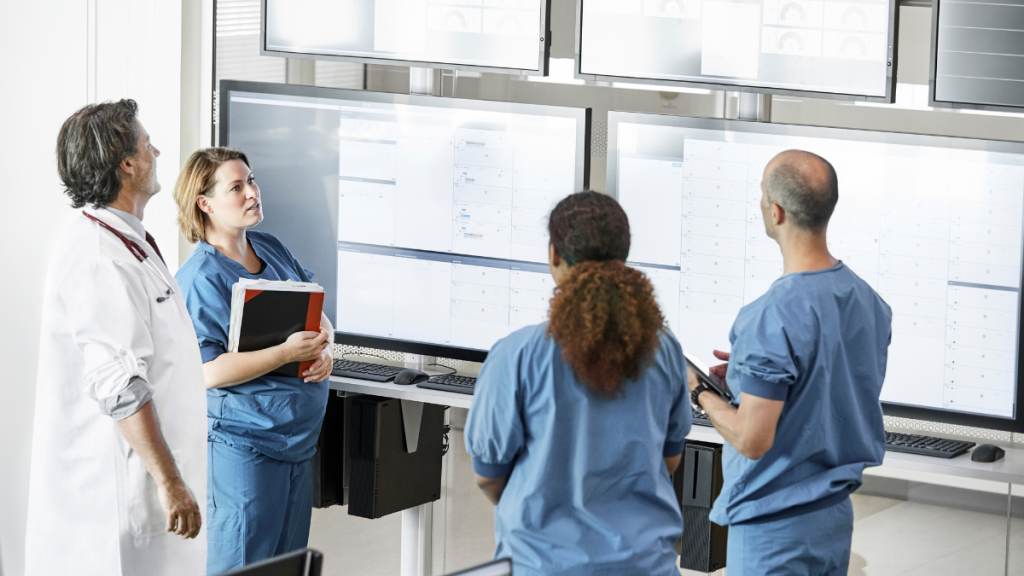
Enhancing Healthcare Training with Customized AV Solutions
The landscape of medical education and healthcare training is experiencing a pivotal transformation driven by the integration of advanced audiovisual (AV) technologies. As healthcare environments become more complex, the need for more dynamic and effective training tools has become apparent. Customized AV solutions are at the forefront of this evolution, offering unprecedented opportunities to enhance learning and patient care within healthcare training centers.
Key Benefits of AV Technology in Healthcare Education
AV technology revolutionizes healthcare education by providing immersive, interactive, accessible learning experiences. Here are some of the primary benefits:
1. Immersive Learning Environments
Digital simulations immerse medical students in realistic healthcare scenarios that would be difficult or impractical to replicate in a traditional classroom. These technologies allow students to experience and interact with high-stakes scenarios without the associated risks, enhancing their skills and confidence.
2. Enhanced Engagement and Retention
Interactive multimedia, combined with traditional teaching methods, can significantly increase student engagement and information retention. By integrating video, audio, and interactive content, educators can present complex medical theories and practices in ways that are much easier for students to understand and remember.
3. Accessibility and Flexibility
AV solutions can make medical education more accessible to students who cannot participate in traditional learning environments. Whether through live-streamed lectures for students in remote locations or interactive modules that students can use at their own pace, AV technology helps bridge the gap between different learning needs and styles.
Technological Advances in AV Solutions for Medical Training
The rapid advancement in AV technology continues to enrich the training of medical professionals. From high-definition displays to intricate virtual simulations, here’s how these tools are reshaping medical training:
High-Definition Displays and Recording
Advanced displays and recording capabilities capture detailed surgical procedures and other medical practices in unprecedented clarity. This allows medical students and professionals to review and analyze complex procedures from various angles, ensuring a comprehensive understanding of each step involved.
Virtual Reality Simulations
Virtual reality has introduced a new dimension to medical training. VR simulations offer a hands-on experience in a controlled environment, allowing trainees to perform procedures like virtual autopsies or emergency room scenarios without the risk associated with real-life practice.
These technological enhancements not only improve the quality of medical training but also adapt to the evolving nature of medical practices, preparing students and professionals for the challenges they will face in the healthcare industry.
Practical Applications of AV Solutions in Healthcare Training
AV technology finds its application across various domains within healthcare education, proving its versatility and effectiveness:
1. Preclinical Simulation
AV solutions facilitate detailed preclinical simulations, providing trainees with a realistic and immersive understanding of human anatomy and physiological processes before encountering actual patients.
2. Medical Education
In medical education, AV tools demonstrate complex medical conditions, treatments, and surgical techniques through interactive videos and 3D models, enhancing the educational experience beyond traditional textbooks.
3. Exams and Assessment
AV technologies transform assessments, allowing real-time feedback and more precise evaluations through digital platforms that simulate patient interactions and medical responses.
4. Clinical Simulation
Clinical simulations with AV technology provide realistic patient care scenarios across various specialties, including medical, dental, and surgical training. From routine examinations to emergency responses, these detailed simulations help healthcare professionals refine their practical skills and enhance their decision-making abilities.
5. Aid Organizations and Disaster Control
In disaster control and with aid organizations, AV solutions provide rapid training modules and effective communication tools essential for managing emergency responses efficiently and effectively.
Customized AV Solutions for Diverse Learning Needs
Tailoring AV solutions to accommodate diverse learning styles and needs is crucial for effective medical education. Customized AV tools enhance accessibility and foster inclusive learning environments:
Accessibility Features
For students with disabilities, AV technology includes options like closed captioning, audio descriptions, and tactile models that cater to various sensory needs. This inclusivity ensures that all students, regardless of physical or sensory limitations, can fully participate in and benefit from healthcare training.
Flexible Learning Modalities
With AV technology, educational materials can be created in multiple formats — from interactive webinars to comprehensive digital courses. This flexibility supports personalized learning paths and allows students to engage with the material in ways that best suit their learning styles and schedules.
Implementation Strategies for AV Solutions in Healthcare Training Centers
Successfully implementing AV solutions in healthcare training centers requires strategic planning and an understanding of both technology and educational needs.
For one, infrastructure and cost considerations cannot be ignored. Developing a phased implementation plan can help manage costs while building an infrastructure that supports advanced AV technologies. Grants and funding opportunities may also be available to subsidize the initial investment.
Ongoing training for educators and technical support for AV systems are also essential to ensure that investments in AV technology achieve their intended educational outcomes.
Overcoming Challenges: Ensuring Security and Privacy with AV Technologies
As audiovisual (AV) technologies become increasingly integral to healthcare training, the imperative to safeguard security and privacy escalates. These technologies, pivotal for interactive and remote learning, pose potential risks if not properly managed.
Data Protection Strategies
To protect sensitive student and patient data, healthcare training centers must implement robust security measures that adhere to stringent regulations such as the Health Insurance Portability and Accountability Act (HIPAA) and the Family Educational Rights and Privacy Act (FERPA).
This includes deploying encryption technologies, secure data storage solutions, and controlled access mechanisms to prevent data breaches and ensure that all data handling conforms to legal standards.
Advanced Privacy Controls
Maintaining privacy during live streams and video recordings is crucial. Training centers must establish comprehensive privacy controls to manage who can view and share educational content. This involves setting up secure authentication processes, using privacy-enhancing technologies such as anonymization tools, and regularly updating privacy settings to address new vulnerabilities.
Additionally, clear guidelines about using recorded material should be communicated to all participants to prevent misuse and ensure that all usage ethically aligns with educational goals.
Regular Audits and Compliance Checks
Regular audits and compliance checks should be conducted to continuously protect data and privacy. These assessments help identify potential security vulnerabilities and ensure that all AV systems comply with current regulations. They also foster a culture of security within the organization, emphasizing the importance of vigilance and proactive management of these critical systems.
Discover How Customized AV Solutions Transform Healthcare Training
At Applied Global Technologies (AGT), we stand at the forefront of advancing healthcare education through cutting-edge AV solutions. As leaders in AV solutions and integrations, we are dedicated to empowering healthcare training centers with technology that meets their unique educational and operational needs. By partnering with AGT, you can access a team of experts committed to designing and implementing customized AV solutions that enhance learning outcomes and streamline training processes.
Ready to transform your healthcare training with advanced AV solutions?
Contact AGT today for a consultation and see how our technology can empower your educators and students, ensuring they have the best tools to succeed in the ever-evolving medical field.

Jarrett Lowman
Jarrett Lowman is the Vice President of Sales at Applied Global Technologies (AGT), where he has spent 20 years rising from Lead Solutions Architect to sales leadership. An AVIXA Certified Technology Specialist (CTS) and Crestron Master Sales Associate, he specializes in AV integration and secure collaboration systems for federal, healthcare, and commercial clients.