
Technological Advancements in Education
Rapid technological advancements are significantly transforming the education landscape. The shift from traditional chalkboards to digital tablets and interactive tools marks a major evolution in instructional methods. In the past decade, technology has moved from a supplementary role to a core component of educational infrastructure.
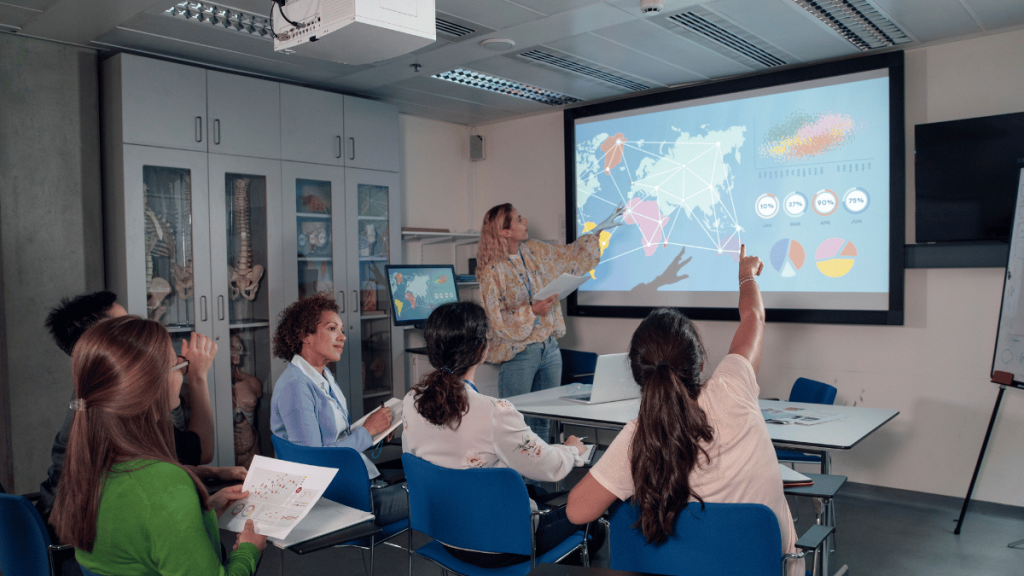
Classrooms worldwide are increasingly equipped with smartboards, tablets, and virtual reality systems, turning passive learning into a dynamic, interactive, and immersive experience. This integration of technology not only modernizes classrooms but profoundly enhances the overall educational journey.
Importance of Technology in Today’s Educational Landscape
The infusion of technology in education is not merely a trend but a fundamental component in cultivating a dynamic learning environment. It provides students access to vast resources and learning materials online, breaking down geographical and financial barriers to information. For teachers, technology offers powerful tools to enhance lesson planning, engage students, and track progress through digital assessments and analytics.
The benefits of technology in the classroom are manifold:
- Enhanced Engagement: Digital tools can turn a monotonous lecture into an engaging lesson with interactive content such as videos, animations, and simulations.
- Personalized Learning: Technology enables tailored educational experiences that cater to individual student needs and learning speeds, from adaptive learning software to personalized feedback loops.
- Broader Access: With internet connectivity, students in remote or underserved areas can access the same education and resources as those in higher-achieving areas.

Interactive Learning Environments: Tools That Shape Education
Incorporating technology into the classroom goes beyond mere digitization of materials—it involves creating an interactive and engaging learning environment that captures students’ attention and fosters deeper understanding.
Among the most impactful innovations in educational technology are virtual classroom tools such as interactive whiteboards and virtual reality (VR) setups. These technologies provide a dynamic platform that allows educators to deliver content more engagingly.
Interactive whiteboards facilitate real-time problem-solving sessions, while VR can transport students to historical sites or allow them to conduct scientific experiments in a simulated environment, offering a hands-on learning experience that traditional classrooms cannot replicate.
Additionally, integrating audiovisual technology into these learning environments significantly enhances the educational experience. High-quality audio ensures that verbal instructions and explanations are crystal clear, and superior visual displays make detailed imagery and complex data easier to understand.
Benefits of Interactive Learning Tools
The use of these interactive tools in education offers numerous advantages:

- Increased Student Engagement: Interactive elements keep students engaged by making learning activities more like games and less like passive lectures.
- Improved Comprehension: Tools encouraging participation can help students understand complex concepts more clearly by allowing them to visualize and manipulate the subject matter.
- Enhanced Retention: Engaging with material interactively promotes better information retention, as students are more likely to remember what they have actively participated in rather than what they have only read or heard about.
Accessibility Through Technology
Technology also plays a pivotal role in making education more accessible. By leveraging specific tools, schools can cater to a diverse range of learning needs, ensuring that every student has the opportunity to succeed.
Tech Tools for Diverse Learning Needs
Innovative educational technologies minimize barriers to learning, such as speech-to-text applications or software that adapts content based on a student’s learning pace. These tools are particularly beneficial for students with disabilities, as they provide alternative ways to access learning materials and communicate with peers and teachers.
Examples of Accessibility Features
Audiovisual technology enhances accessibility by offering features like closed captioning for students who are deaf or hard of hearing and audio descriptions for those who are visually impaired. Tactile feedback devices can also provide physical sensations that mimic real-world interactions, making digital content more tangible.
Ethics and Sustainability in Educational Technology
As educational technology advances, integrating sustainability into tech choices becomes crucial. Accounting for eco-friendly solutions and ethical considerations ensures that educational institutions keep pace with technological advancements and promote responsible use.
Eco-Friendly Tech Solutions
The push for sustainability in educational technology is about using technology responsibly and choosing solutions that have long-term benefits. Energy-efficient devices like LED projectors and low-power-consuming audiovisual equipment are becoming essential in modern classrooms.
Additionally, virtual reality and other simulation technologies can reduce the need for physical resources, thereby decreasing the environmental footprint. Schools can also leverage cloud-based platforms, which minimize the need for extensive on-site hardware, further reducing energy consumption and promoting environmental sustainability.
Security Considerations in EdTech
The rapid integration of technology in education also brings forth significant ethical challenges. Data privacy remains paramount, as educational technologies often collect sensitive information from users. Ensuring robust data protection measures are in place is crucial to maintain trust and security.
Partnering for Progress: How AV Integration Enhances Educational Technology
Integrating audiovisual (AV) technology is crucial for unlocking the full potential of educational innovations. Companies like Applied Global Technologies (AGT) are at the forefront of this transformative process, providing AV solutions that significantly enhance learning environments.
AV specialists are key to converting traditional classrooms into dynamic spaces equipped with the latest technologies, from interactive displays that support engaging presentations to high-definition audio systems for crystal-clear communication.
By adopting these advanced tools and seeking expert advice for seamless integration, schools can cultivate a rich learning environment that meets today’s educational demands and prepares them for future challenges. This proactive strategy equips students for the digital era, arming them with essential skills and knowledge for success in an interconnected world.
Ready to enhance your educational technology? Contact Applied Global Technologies (AGT) today for a free consultation and quote, and see how our AV solutions can transform your educational environment.

Jarrett Lowman is the Vice President of Sales at Applied Global Technologies (AGT), where he has spent 20 years rising from Lead Solutions Architect to sales leadership. An AVIXA Certified Technology Specialist (CTS) and Crestron Master Sales Associate, he specializes in AV integration and secure collaboration systems for federal, healthcare, and commercial clients.